A kitchen fire or an electrical short leaves a heavy mark on a house. If you are staring down smoke and soot damage in your Lincoln Park home, you are probably wondering what happens next. The smell is overwhelming, the walls look ruined, and your head is spinning.
We will clear the air and talk about how to tackle this mess realistically. Here is what you need to know about the cleanup process, from the first 24 hours to the final coat of paint.
The First Steps: Safety and Assessment
Before you touch a single sponge, make sure the local fire department has cleared the structure. Once you are back inside, do not turn on your HVAC system. Soot and toxic particles travel through ductwork, spreading the damage to rooms that escaped the actual flames. Take plenty of photos for your insurance adjuster before moving anything, focusing on charred framing, melted fixtures, and heavy soot lines.
What You Can DIY
You do not need to hire a contractor for everything. If the damage is relatively minor, you can roll up your sleeves and take care of a few specific tasks:
- Throw away food exposed to heat and smoke.
- Wash hard surfaces like tile, glass, and metal with mild dish soap and warm water.
- Toss porous items that reek of smoke beyond saving.
- Wipe down countertops and uncarpeted floors.
Keep your expectations in check, though. Scrubbing soot the wrong way rubs it deeper into drywall and woodwork, making it much harder to seal later.
When to Call the Pros
Soot is acidic. If it sits on surfaces in our humid Downriver climate, it starts eating away at paint, chrome, and drywall within days. That is when you need to bring in an experienced crew like Apex Restoration. You should call in specialists immediately if:
- The fire involved plastics, synthetics, or rubber, which create hazardous chemical residue.
- Soot has penetrated your insulation, framing, or HVAC system.
- The smoke odor refuses to budge after standard cleaning.
Professional restoration teams bring in industrial air scrubbers, HEPA vacuums, and specialized chemical sponges that lift soot instead of smearing it. They also use hydroxyl generators and ozone machines to neutralize smoke molecules trapped deep inside structural wood.
After the Cleanup: Getting Back to Normal
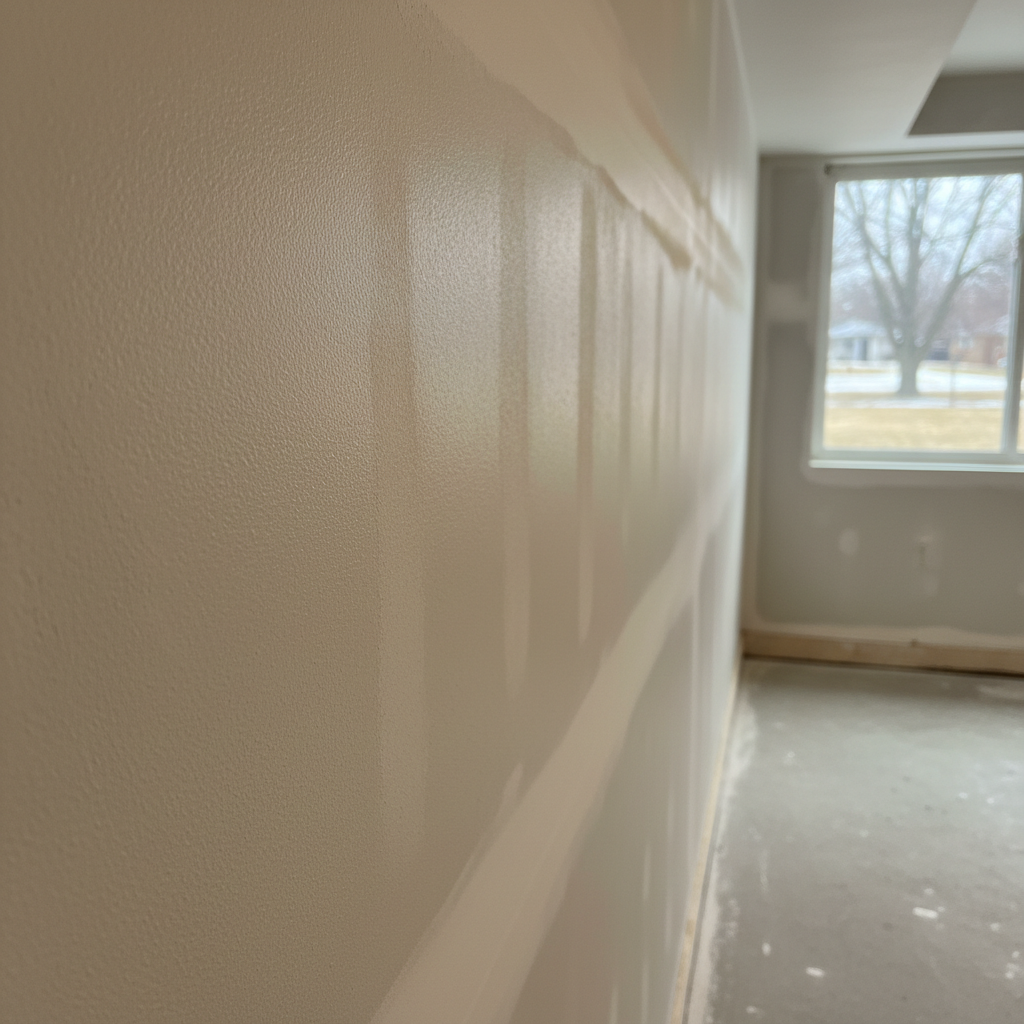
Once the heavy-duty cleaning and structural drying are done, you are looking at reconstruction. This is where older mid-century properties around here require a careful touch. Damaged framing must be treated with specialized odor-sealing primers before new drywall goes up. If you skip the primer, that stale smoke smell will bleed right through your fresh paint on the first hot summer day. Take it step by step, protect your health, and do not hesitate to lean on local experts when the job gets too big.