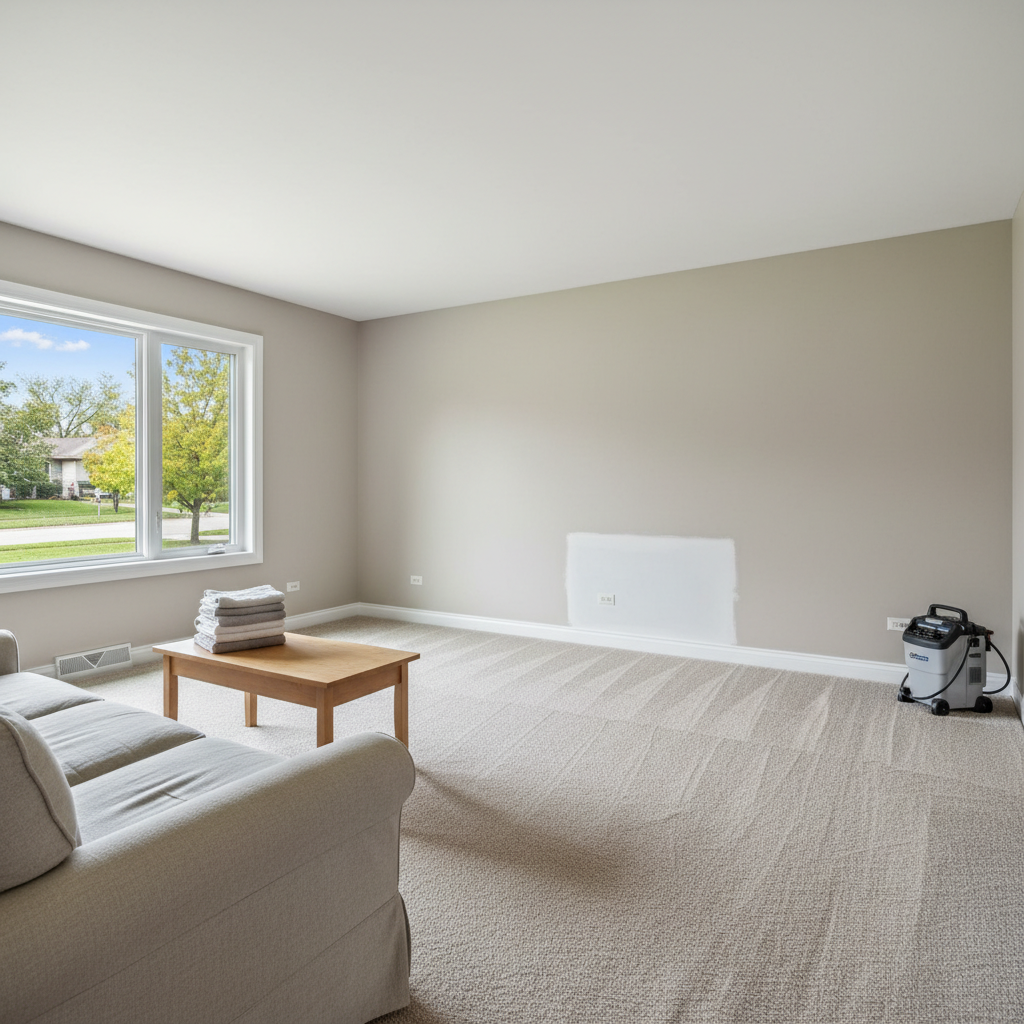
When a pipe bursts in your storefront along Dix Highway or your warehouse on the south end takes on water after a heavy downpour, every hour costs you money. You need to get operations back online fast, but you also want to avoid paying too much on the repair bill. Commercial Water Damage Restoration is not cheap, but knowing what drives the numbers helps you keep a handle on the budget.
What Actually Drives the Price Tag?
Commercial spaces in Downriver Michigan present unique challenges. Many of our older commercial buildings feature flat roofs, sub-grade utility basements, and multi-layered flooring that trap moisture quickly. When Apex Restoration comes out to quote a commercial loss, we look at a few non-negotiable pricing factors:
- Water Category: Clean supply line leaks are straightforward. Gray water from a dishwasher or roof leak requires extra sanitization. Black water from sewage backups demands full containment, PPE, and hazardous disposal protocols.
- Square Footage and Layout: Open-plan retail spaces dry out faster than maze-like office parks or multi-room commercial rentals with heavy partitioning.
- Material Porosity: Concrete slabs handle water better than structural wood framing, commercial drywall, and commercial-grade carpeting that absorb moisture like a sponge.
- Business Disruption Urgency: Commercial jobs often require overnight labor shifts to keep your business open during the day, which impacts total labor hours.
Typical Cost Ranges for Local Businesses
Let us talk real numbers instead of vague estimates. For a standard commercial property in Lincoln Park, mitigation and structural drying generally run between $3.80 and $9.50 per square foot.
A minor incident like a localized supply line break affecting a single office or retail bay (around 500 square feet) usually ranges from $2,500 to $5,000 for extraction, initial antimicrobial spraying, and a few days of commercial air mover rentals.
A moderate incident covering a few thousand square feet—say, a flooded strip mall unit or basement storage area—typically lands between $6,000 and $15,000. If you are dealing with a catastrophic main-line sewage backup or multi-story commercial flooding that requires extensive demolition, structural rebuilds, and hazardous waste handling, costs easily climb past $20,000 to $40,000+. Keep in mind these figures are for mitigation and restoration combined; pure drying alone without reconstruction will sit on the lower end.
What Should Be Included in Your Quote?
A professional, transparent quote should not look like a mystery novel. When you open an estimate from a reliable contractor, make sure it itemizes emergency extraction labor, daily equipment monitoring fees, antimicrobial applications, moisture meter readings, and targeted demolition of unsalvageable drywall or flooring. If a quote just gives you a single lump-sum figure without detailing equipment counts or square footage calculations, ask questions immediately.
How to Avoid Overpaying
Many business owners panic during a flood and sign off on open-ended time-and-materials contracts that leave the door wide open for billing padding. Always demand an estimate based on industry-standard pricing software like Xactimate, which insurance adjusters and reputable contractors use to keep line items honest. Make sure your contractor works directly with your commercial insurance provider to verify what your policy covers, and never pay the full balance upfront before moisture meters confirm the structure has reached dry standard.